Introduction: The Importance of Early Eye Checkups
Many parents know about regular health checkups. However, a complete eye checkup for preschool children is just as important. Early eye exams can spot problems before they affect learning or development. For example, amblyopia, also called lazy eye, can go unnoticed without a proper exam. Because early detection is key, experts recommend vision screening for all young children.
What Is Amblyopia?
Amblyopia is a common eye problem in children. It happens when one eye does not develop normal vision. As a result, the brain favors the stronger eye. Over time, the weaker eye gets worse. If left untreated, amblyopia can cause permanent vision loss. According to the CDC, amblyopia affects about 2–3 out of every 100 children.
Why Preschool Children Are at Risk
Preschool children are growing fast. Their eyes and brains are still developing. Because of this, vision problems may not be obvious. Children may not complain or even notice if one eye is weaker. Therefore, regular preschool vision screening is crucial. Early eye exams help catch issues before they become serious.
Symptoms and Warning Signs
Often, amblyopia has no clear symptoms. Still, parents should watch for these warning signs:
But remember, many children show no signs at all. That is why a complete eye checkup for preschool children is so important.
How Complete Eye Checkups Detect Amblyopia Early
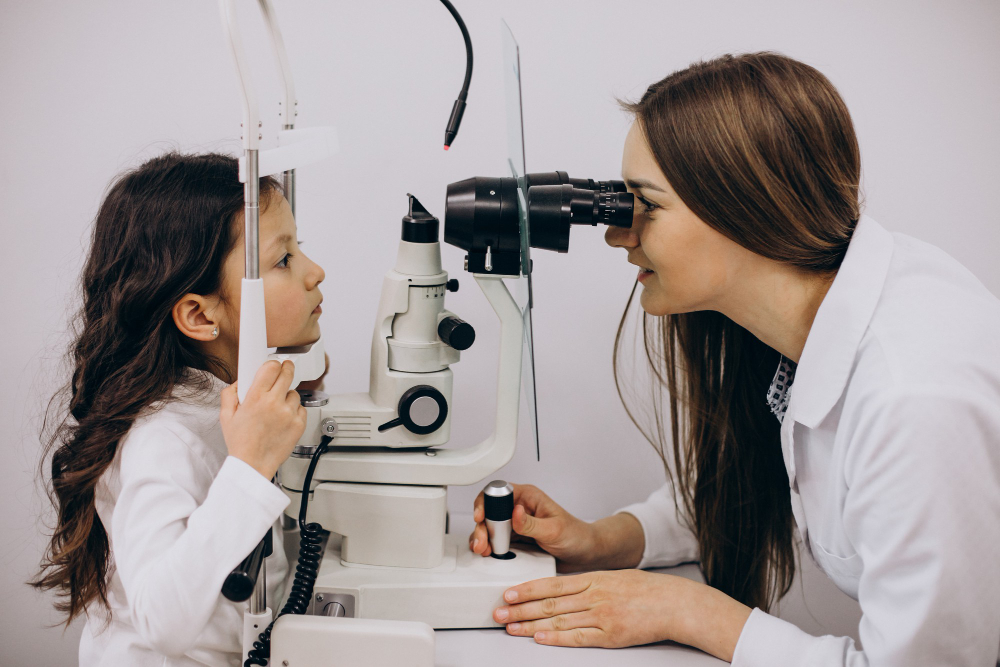
During a full eye exam, an eye doctor checks vision in both eyes. They use special tests to spot differences between the eyes. For instance, they may use pictures or letters to measure how well each eye sees. In addition, the doctor looks for eye alignment and health problems. Because these tests are simple and painless, children can relax during the visit. Early detection through preschool vision screening can prevent long-term problems.
Benefits of Early Detection and Treatment
When amblyopia is found early, treatment works best. Early treatment may include:
With early care, most children regain normal vision. According to the American Academy of Ophthalmology, treatment is most effective before age 7. Therefore, early eye exams offer lifelong benefits.
Steps for Parents: Scheduling and Preparing for an Eye Checkup
Parents play a key role in protecting their child’s vision. Here are simple steps to follow:
Prevention and Lifestyle Tips
While some vision problems cannot be prevented, healthy habits help. For example:
Above all, regular preschool vision screening is the best way to prevent amblyopia and other eye issues.
Conclusion: Take Action for Your Child’s Eye Health
“In summary, a complete eye checkup for preschool children is essential for the early detection of amblyopia. Early exams can prevent vision loss and support healthy visual development. Don’t wait for symptoms to appear—schedule a comprehensive eye checkup for your child today and consult an eye specialist at Srijan Eye & Mother Care for personalized advice and care.”