
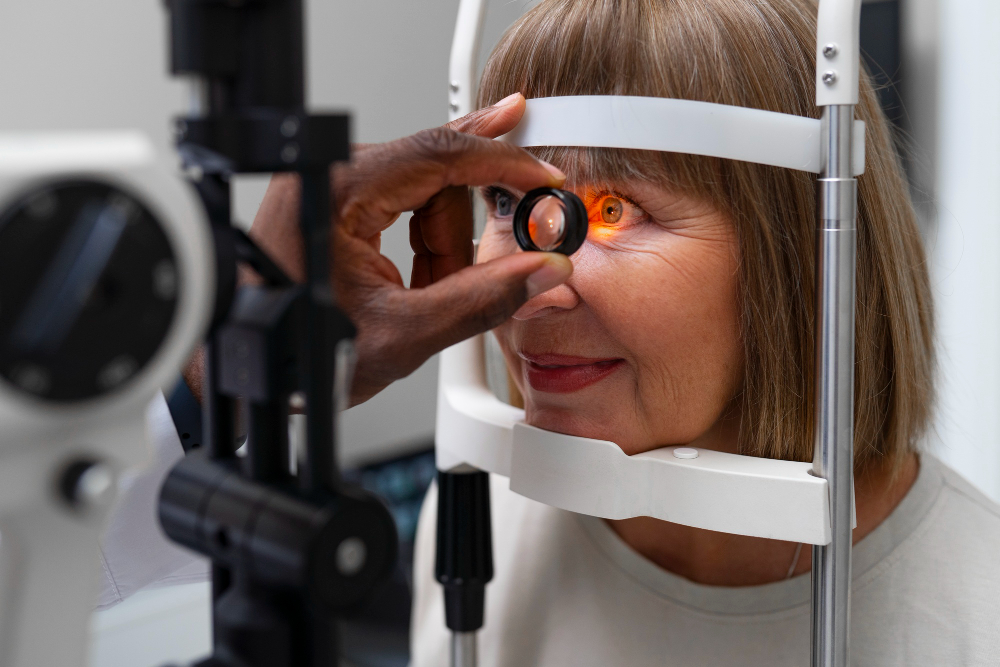
What Is Cataract Surgery?
Cataract surgery is a common eye procedure. Doctors remove the cloudy lens from your eye and replace it with a clear artificial lens. This new lens is called an intraocular lens, or IOL. Many people need cataract surgery as they get older. In fact, it is one of the safest and most effective surgeries worldwide. According to the World Health Organization, cataracts are a leading cause of vision loss. However, surgery can restore clear sight for most patients.
Why Is Cataract Surgery Needed?
Cataracts make the lens of your eye cloudy. As a result, you may notice blurry vision, glare, or trouble seeing at night. Sometimes, colors may look faded. Over time, cataracts can make daily tasks hard. For example, you might struggle to read, drive, or recognize faces. When glasses or brighter lights no longer help, cataract surgery is often the best choice. Early treatment can improve your quality of life and help prevent accidents or falls.
Overview of Intraocular Lenses (IOLs)
During cataract surgery, your doctor removes the cloudy lens. Then, they place a new, clear lens inside your eye. This artificial lens is called an intraocular lens, or IOL. There are several types of IOLs. Each type offers different benefits. Your eye doctor will help you choose the best one for your needs. The right IOL can help you see better at different distances and reduce your need for glasses.
Types of IOLs: Pros and Cons
There are many types of IOLs available today. Each type has its own features. Let’s look at the most common options:
How to Choose the Right IOL
Choosing the right IOL depends on your lifestyle and vision needs. For example, if you read a lot, you may want a lens that helps with close vision. If you drive often, clear distance vision may be most important. Here are some tips to help you decide:
Your eye specialist will guide you through the options. Together, you can choose the best IOL for your eyes.
What to Expect Before, During, and After Surgery
Before Surgery
First, your doctor will check your eyes and measure them. You may need to stop certain medicines. Sometimes, you will use eye drops before surgery. Your doctor will explain what to do and answer your questions.
During Surgery
Cataract surgery usually takes less than 30 minutes. You will be awake, but your eye will be numb. The doctor removes the cloudy lens and places the new IOL. Most people feel little or no pain.
After Surgery
After surgery, you rest for a short time. You may need someone to drive you home. Your doctor will give you eye drops to help healing. Most people notice better vision within a few days. However, full recovery can take a few weeks.
Recovery Tips and Lifestyle Guidance
Proper care after surgery helps your eyes heal. Here are some tips:
Most people return to normal activities within a week. However, always ask your doctor before resuming heavy exercise or driving.
Prevention and Eye Health Tips
While cataracts are common with age, you can take steps to protect your eyes:
Early detection and care can help keep your eyes healthy for years to come.
Conclusion
Cataract surgery, along with the right choice of Intraocular Lenses (IOLs), can restore clear vision and significantly improve your quality of life. With various lens options available, you can find the one that best suits your specific needs, whether it’s for clear distance vision, near vision, or addressing astigmatism.
Always consult with your eye specialist at Srijan Eye & Mother Care to discuss the best IOL option for your individual requirements. Personalized advice ensures you make the right choice for optimal vision and comforts.